Your 7-Day Nutrition Preparation Plan Before You Start Your GLP-1 Journey
This article is intended for educational purposes only and does not constitute medical advice, diagnosis or treatment. Always consult a qualified healthcare professional regarding medical conditions, medications or changes to your healthcare plan. Never start, stop or alter prescribed medication without professional medical guidance.
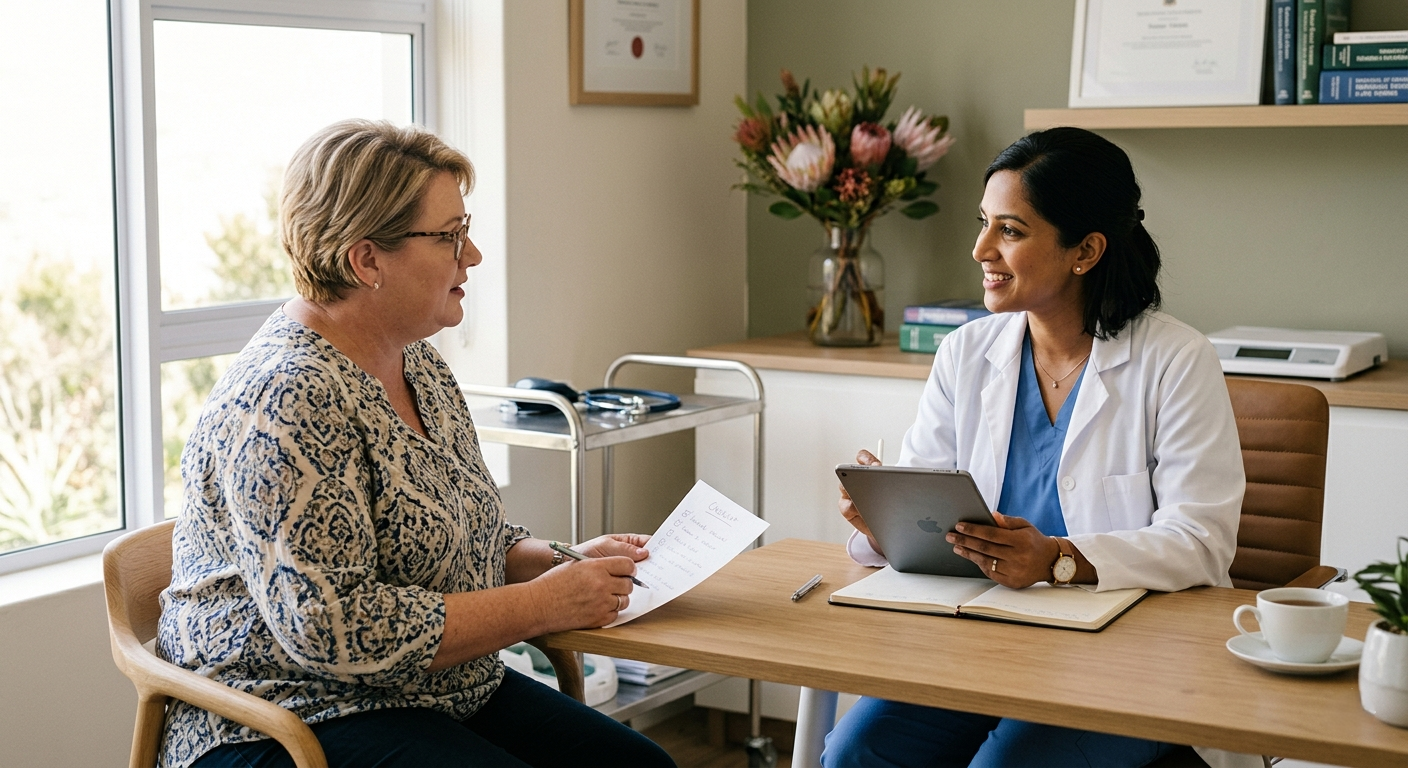
Preparing your nutrition before starting Ozempic, Wegovy or Mounjaro can make the first few weeks of treatment significantly easier. The most important steps are building protein into every meal, increasing fibre gradually rather than all at once, improving hydration, reducing heavy greasy meals, and starting basic strength training. This is not a crash diet. It is preparation that creates a gentle transition into treatment so that by the time appetite changes, the nutritional foundation is already in place.
Many people wait weeks or months between receiving a GLP-1 prescription and starting treatment due to cost, stock availability, or medical scheme processes. That waiting period is valuable preparation time, not dead time. The habits built before treatment often determine how smoothly the first few weeks go.
Why Nutrition Matters Before Your First GLP-1 Injection
Many people spend weeks researching GLP-1 side effects. Far fewer prepare their meals. That is often where the problems begin.
GLP-1 medicines reduce appetite and increase feelings of fullness. During the first few weeks many people naturally eat less food and may experience nausea, constipation, bloating or slower digestion. Preparing your nutrition before treatment begins can make the transition significantly easier.
Goal 1: Prioritise Protein Before Appetite Drops
One of the biggest nutrition mistakes during GLP-1 treatment is waiting until appetite has already decreased before focusing on protein.
Protein supports muscle preservation, physical strength, recovery from exercise, long-term weight maintenance, and overall nutritional adequacy.
“Higher protein intake was associated with lower lean mass loss during semaglutide-induced weight loss.”
— Haines et al., ENDO 2025
When appetite decreases, protein becomes more important, not less. People who consume too little protein may lose more muscle during weight loss. Not all protein sources are equal. High biological value proteins provide the essential amino acids needed to trigger muscle protein synthesis, which becomes increasingly important as meal sizes get smaller.
Good protein options include eggs, fish, chicken, lean meat, Greek yoghurt, cottage cheese, tofu, tempeh, and lentils and beans if tolerated. Article 5 in this series explores protein, leucine and muscle preservation in detail.
Goal 2: Increase Fibre Gradually
Constipation is one of the most commonly reported GLP-1 side effects. The important word is gradual. Not all fibres behave the same way.
“Gastrointestinal adverse events are the most frequently reported side effects during GLP-1 receptor agonist therapy.”
— Sievenpiper et al., 2025 Supportive Care Recommendations
A slower fibre progression is often better tolerated than suddenly doubling fibre intake during the first few weeks. Many nutrition professionals favour a gentle transition that begins with more digestively neutral fibre sources before progressing to more fermentable fibres as tolerance improves.
Examples include cooked vegetables, berries, legumes if tolerated, psyllium, high-fibre staple foods, and less fermentable fibres such as bamboo fibre in sensitive individuals. The goal is not to maximise fibre immediately. The goal is to build tolerance steadily. Article 6 covers fibre, gut health and constipation management in detail.
Goal 3: Reduce Heavy, Greasy Meals
GLP-1 medicines slow stomach emptying. Heavy, greasy meals often do the same. For some people this combination may increase nausea, reflux, burping, bloating, and uncomfortable fullness.
Think gentle, not restrictive. The goal is not to eliminate fat. The goal is to reduce large fried meals and heavy, rich foods during the adaptation phase. Moderate amounts of healthy fats from foods such as avocado, nuts, olive oil and high-oleic sunflower oil are generally better tolerated.
Goal 4: Practise Smaller Portions
Many people continue serving the same meal sizes after starting treatment. The result is often unnecessary discomfort. But there is an important distinction: smaller meals should not mean less nutrition.
“Nutritional quality becomes increasingly important as appetite suppression reduces overall food intake.”
— Mozaffarian et al., American Journal of Clinical Nutrition, 2025
When you eat less food, every bite needs to provide more nutrition. Less food, more nutrition. That principle becomes increasingly important throughout the GLP-1 journey.
Goal 5: Improve Hydration
Reduced appetite often leads to reduced fluid intake. At the same time, nausea and constipation may increase hydration requirements. Aim for regular fluid intake throughout the day.
Good options include water, unsweetened rooibos tea, unsweetened herbal tea, and plain sparkling water if tolerated. Avoid relying on sugary drinks for hydration.
Goal 6: Start Strength Training
Weight loss should focus on losing fat while preserving muscle. Strength training supports muscle retention, functional strength, metabolic health, blood glucose control, and long-term weight maintenance.
The goal is consistency, not intensity. A gentle progression is usually more sustainable than trying to do too much too soon. Article 5 explores muscle preservation and resistance training in greater detail.
Your GLP-1 Preparation Checklist
Before your first injection, aim to have in place:
- Three high-protein breakfasts
- Three simple lunches
- Three balanced dinners
- Two fibre-rich options
- A hydration strategy
- A constipation management plan
- A beginner strength-training routine
- A symptom tracking journal
Your first injection should not be the first day you think about nutrition.
SAHPRA Warning: Do not self-prescribe or use compounded, falsified or unregistered products. In South Africa, SAHPRA has warned the public about unauthorised, falsified, compounded and substandard GLP-1 products being sold online and through social media channels. Source: SAHPRA, 2024 and 2025.
Find Your Full On Nourish Stage: The journey starts before your first dose. The preparation phase focuses on building habits that make the first weeks of treatment easier, more comfortable and more sustainable. GENTLE for the early weeks, CORE for finding rhythm, FREEDOM for long-term maintenance. Start your journey at fullonfoods.co.za/get-started.
Frequently Asked Questions
What should I eat before starting Ozempic or Wegovy?
Focus on protein-rich meals, gradual fibre intake, hydration and nutrient-dense foods. Building these habits in the week before your first injection can reduce the severity of early side effects such as nausea and constipation.
Can I start Ozempic without changing my diet?
Yes, but preparing your nutrition beforehand may reduce side effects and improve long-term success. There is no requirement to change your diet first, but doing so creates a smoother transition into treatment.
What foods should I avoid before starting GLP-1 medication?
Large fried meals, greasy takeaways, rich desserts and heavy late-night meals may be less well tolerated once GLP-1 treatment begins, since the medication already slows stomach emptying.
How much water should I drink on GLP-1 medication?
Most adults benefit from regular fluid intake throughout the day unless medically restricted. Spreading fluid intake across the day rather than drinking large amounts at once is generally better tolerated.
Why is protein important before GLP-1 treatment?
Appetite often decreases after treatment begins, making it harder to consume adequate protein later. Building high protein intake into your routine before starting treatment helps protect muscle mass once eating less becomes the norm.
References
Haines M et al. Protein Intake, Muscle Loss and Glucose Homeostasis During Semaglutide-Induced Weight Loss. ENDO 2025. July 2025.
Sievenpiper JL et al. Nutritional and Lifestyle Supportive Care Recommendations for Management of Obesity with GLP-1 Based Therapies. Expert Consensus Statement. 2025.
Mozaffarian D et al. Nutrient Density and Appetite Suppression. American Journal of Clinical Nutrition. 2025.
American College of Sports Medicine. Resistance Training Guidelines for Weight Management. 2025.
SAHPRA. Position on GLP-1 and GIP/GLP-1 products that are compounded, substandard and falsified. 2024.
SAHPRA. Warning on GLP-1 products sold through social media platforms. 2025.
Key Takeaways
- Prepare your nutrition before your first injection, not after.
- Protein becomes more important, not less, as appetite decreases.
- Increase fibre gradually rather than all at once.
- Smaller meals should mean more nutrition, not less. Hydration and strength training should start before treatment begins.
- The goal is a gentle transition, not a crash diet.